

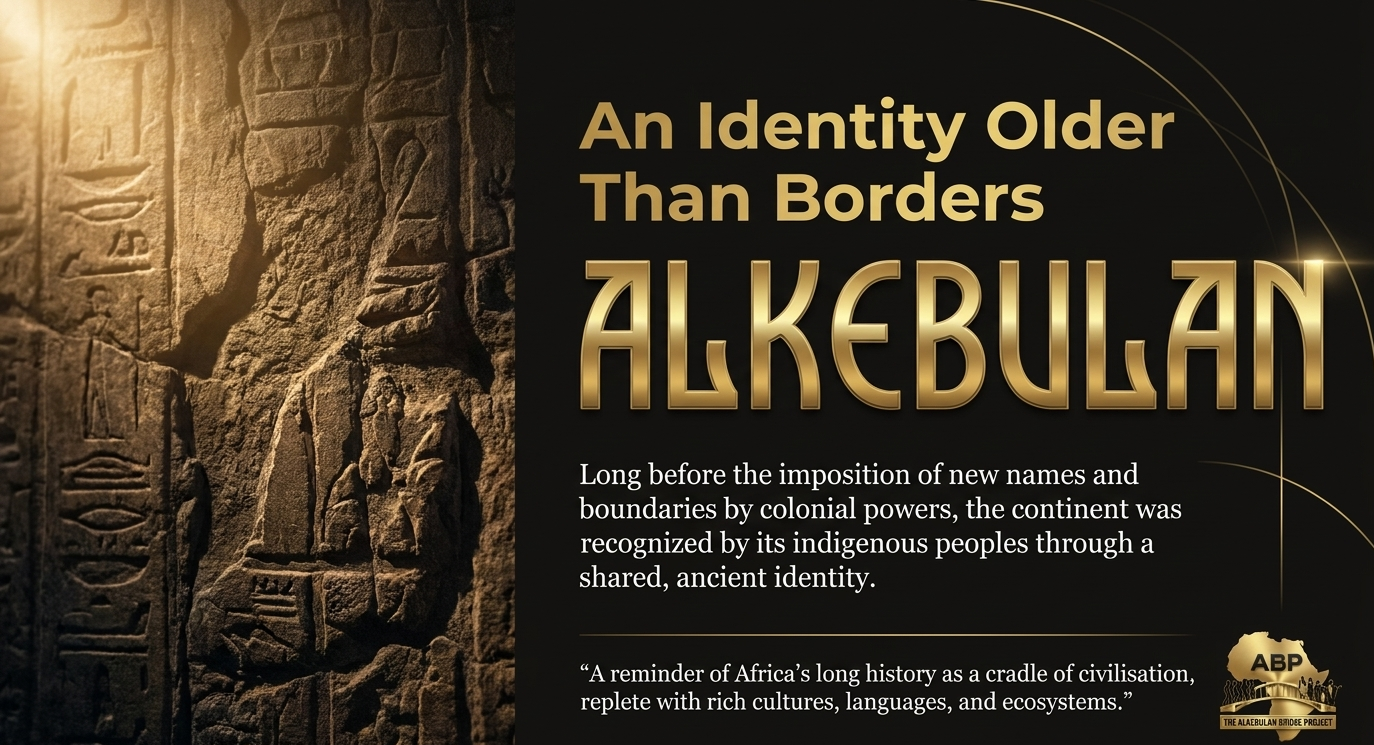
The Term Alkebulan:
Alkebulan is a term often used to refer to the continent of Africa. The word is said to derive from ancient African languages and has been interpreted to mean “the mother of mankind” or “the garden of Eden.” It reflects a rich cultural heritage and historical significance, as it is believed to be one of the oldest names for the continent inhabited by various civilizations and peoples throughout history.
The term is associated with a movement recognizing Africa’s vibrant histories, cultures, and contributions to global civilization, countering narratives that have often portrayed the continent in a negative light. Referring to Africa as Alkebulan emphasizes a sense of unity and pride among African peoples and the diaspora, highlighting the continent’s importance in the story of humanity.
The term “Alkebulan” serves as an ancient name for Africa, carrying significant cultural and historical implications among African people groups. It reflects an early acknowledgment of the continent’s identity prior to the imposition of new names and boundaries by colonial powers. This serves as a reminder of Africa’s long history as a cradle of civilization, replete with rich cultures, languages, and ecosystems. The notion of “Alkebulan” emphasizes the cultural heritage present within Africa, symbolizing its diverse societies and rich traditions. It encourages a collective understanding of African narratives that celebrate achievements and contributions made long before external influences, reinforcing connections to ancestry and promoting a sense of pride in one’s roots.
“Alkebulan” underscores the concept of unity among the diverse ethnic groups in Africa, signifying that despite the vast array of cultures, languages, and traditions, a common identity is shared by the continent’s peoples. Its usage stands as an act of resistance against the erasure of African identity brought about by colonization, highlighting the importance of recognizing and valuing indigenous perspectives, thereby promoting dignity and cultural integrity.
Moreover, incorporating historical names into modern discourse fosters opportunities for education and cultural awareness regarding Africa’s historical role in the world. This can empower young Africans by instilling a sense of pride and ownership over their culture, leading to stronger connections to their identities and inspiring positive societal contributions.
Alkebulan is a name with deep roots in African history and culture, believed by some scholars and cultural advocates to be one of the earliest names used for the continent of Africa. The term is thought to derive from various indigenous languages of Africa, interpreted to mean “the mother of mankind,” “the land of the Blacks,” or “the garden of Eden,” reflecting the continent’s rich biodiversity and the historical significance of African peoples. This name acknowledges the deep-rooted cultures and civilizations that originated in Africa, including ancient empires such as Mali, Ghana, and Songhai, which contributed significantly to human knowledge, arts, science, and commerce.
Reclaiming this term is crucial, particularly in countering colonial narratives that have often been associated with the label “Africa.” The term Alkebulan empowers individuals and communities to reshape the narratives surrounding the continent, promoting pride in its heritage and contributions instead of focusing solely on its colonial history. This reclamation fosters a sense of identity and pride among Africans and people of African descent, serving as a reminder of the continent’s rich history and collective achievements, and encouraging connections to their roots and heritage.
Using Alkebulan emphasizes solidarity and unity among the diverse cultures and nations within Africa and the African diaspora. It highlights a shared history and common struggles, fostering a sense of belonging and collective identity. Furthermore, the resurgence of the term provides opportunities for education about African history and culture, encouraging exploration of Africa’s roles in world history, its contributions to civilization, and the richness of its languages, arts, and traditions. Such education can challenge existing stereotypes and promote a more nuanced understanding of the continent.
By reclaiming Alkebulan, communities can empower themselves against negative portrayals often found in media and discourse, leading to greater advocacy for social justice, economic development, and cultural preservation. As global awareness of multiculturalism grows, the usage of Alkebulan provides a platform to assert African identity on the international stage, encouraging recognition of the continent as a vital part of global history and future developments. In conclusion, reclaiming Alkebulan is not merely about renaming a continent; it is about acknowledging the historical and cultural importance of Africa and its peoples. It serves as a powerful tool for identity, unity, and empowerment, contributing to the ongoing struggle for dignity, respect, and recognition of the continent’s significance in history and contemporary society. By embracing this term, individuals and communities can work together to honor their heritage and promote a positive image of Africa to the world.
The Alkebulan Bridge Project aligns closely with the principles and values inherent in the concept of Alkebulan, emphasizing the importance of African heritage, cultural exchange, and community empowerment. This initiative serves as a bridge between different cultures, fostering understanding and collaboration among participants from diverse backgrounds. By reclaiming the name Alkebulan, the project consciously connects its mission to a broader historical narrative that honors Africa’s rich history, cultural significance, and contributions to global civilization.
Firstly, the Alkebulan Bridge Project aims to educate participants about African cultures and histories, thereby fostering a deeper appreciation for the continent’s diverse traditions and communities. Through various activities and programs, participants are encouraged to engage with local communities in Africa, promoting cultural exchange that enriches their understanding of the continent as not just a place of history but as a living landscape of vibrant cultures. This engagement aligns with the essence of Alkebulan, which symbolizes the garden of mankind and a nurturing ground for diverse cultures.
Furthermore, the project emphasizes the importance of community service and outreach, directly addressing social and economic issues faced by African communities. Participants have the opportunity to contribute to meaningful projects that promote development, education, and sustainability, thereby embodying the spirit of unity and collective effort that Alkebulan represents. The initiative not only allows participants to give back but also fosters a collaborative environment that reinforces the idea of interconnectedness among all people.
In addition, the Alkebulan Bridge Project actively works to dispel colonial narratives that have historically undermined African cultures. By promoting the name Alkebulan, the project champions a positive representation of Africa that is grounded in its rich heritage and contributions to humanity. This reclamation of identity empowers participants and promotes pride in one’s cultural roots, encouraging a collective identity that resonates across diverse backgrounds.
Finally, the project encourages participants to return home with newfound knowledge and experiences, advocating for the importance of cultural awareness and understanding in their own communities. By doing so, the Alkebulan Bridge Project not only impacts those directly involved in the trip but also aims to create ripples of awareness and appreciation that extend to their wider networks.
In summary, the Alkebulan Bridge Project embodies the principles associated with the name Alkebulan by nurturing cultural exchange, supporting community empowerment, and fostering a collective identity rooted in African heritage. The project seeks to create a bridge not only geographically but also culturally, contributing to a more empathetic and interconnected worldwide community. Through its initiatives, the project advocates for the celebration of African cultures and the reclamation of narratives that honor the continent’s legacy, ultimately promoting a brighter and more inclusive future for all involved.


